
Keyword Research Doesn’t Have to Be Expensive
Acute care provider, rehabilitation center, treatment facility, or local service business. Keyword research. This may sound like a difficult task, especially since the best tools on the market can cost thousands per year.
But here’s the good news:
You do not need expensive software to find powerful, high-intent key-words which can rank.
It just takes you the right free keyword search tips and homogeneity.
Allgood Marketing is a firm that helps companies serving and based in the healthcare sector to grow by providing low-cost SEO packages. We have, over the years, assisted thousands of businesses, both large and small, to better their online presence by just knowing what their customers are searching. Some may pay thousands of dollars in researching the keywords; however, the reality is that you can gain astounding results with the free ways that are still efficient to date. That is precisely the reason why we compiled this list of 10 free keywords research methods that all people can apply.
Let’s dive in.
Why Keyword Research Matters for Healthcare & Local Service Providers
Whether you run a rehab center, health clinic, treatment center, salon, coaching service, or a local repair business, keyword research helps you:
- Understand what your ideal customers are searching for
- Create content that answers their questions
- Rank higher in Google Maps and organic search
- Increase website traffic and patient/client inquiries
- Improve local SEO visibility
- Compete with bigger brands, without the big budget
Now, here are the top 10 FREE keyword research hacks you can start using today.
10 Free Keyword Research Hacks That Actually Work
1. Google Auto-Suggest (Your Fastest Free Keyword Generator)
When you start typing a query like:
- “rehab center near…”
- “physiotherapy for…”
- “best local plumber…”
Google suggests real searches people make daily.
How to use it for keyword research:
- Type your main service keyword + letter combinations (a, b, c…).
- Write down all long-tail suggestions.
- Use them to create blog posts or service pages.
Why it’s powerful:
It shows live search demand based on user behavior.
2. Google People Also Ask (Find Questions Patients & Clients Ask)
The PAA box unveils the questions that are commonly sought by the searchers:
- What is the duration of the rehab treatment?
- Does it have physiotherapy insurance?
- Which cleaning services are included in a home-cleaning package?
How to use it:
- Search your main keyword
- Expand 10-20 PAA questions
- Make all the questions as a source of blog or FAQ.
- Superb healthcare SEO and local business SEO.
3. Google Related Searches (Best for Local Search)
Go to the bottom of the search results to see such keywords as:
- “rehab center in my area and insured.”
- best physiotherapist in back pain.
- “local AC repair and same day service”.
Such are commonly ultra-specific long-tail keywords that result in conversions.
4. Google Trends (Get an Idea of the Keyword Demand Over Time)
Google Trends can make you right:
Do people continue to search this keyword?
Is it seasonal?
Is it rising or declining?
Healthcare & services: The following use cases can be identified:
“local treatment of flu” (seasonal)
rehab center insurance coverage (steady)
Online physiotherapy (rising trend).
Bonus Tip:
Check state-by-state interests to enhance local search strategies.
5. Quick Keyword Insights (Free Chrome Extensions).
Good ones are absolutely free extensions such as:
- Keyword Surfer
- Ubersuggest Extension
- SEO Minion
- Keyword Everywhere (free, but restricted)
These are estimates of search volumes within Google.
6. Hidden Keyword Goldmine (YouTube Search Auto-Suggest).
Your customers do not ignore YouTube in the face of most service providers.
Search keywords like:
Physiotherapy exercises for knee pain.
Title: “how to select the appropriate rehab center”
“AC repair troubleshooting”
YouTube is the second-largest search engine in the world, and what people want to know can be seen on its suggestions.
7. Reddit & Quora (Real Life Questions People ask)
Disclosures of real problems and intent to search are brought forth by communities.
Healthcare examples:
“Alcohol withdrawal at home symptoms?
The question is “How to select a good therapy center?
Local service examples:
What is the best way of removing water stains?
“Why is my AC making noise?”
These should be turned into blogs or frequently asked questions.
8. Google Search Console (Your Website Keyword Treasure).
In the case of a live site, GSC provides free real-time data on keywords, and it reports:
- Keywords you are already ranking on.
- Keywords you SHOULD target
- High-impression queries that do not result in high clicks.
- Optimization opportunities.
Best part:
This is absolutely true as compared to third-party tools.
9. The Free Way: Competitor Reverse-Engineering.
Search keyword of your main service:
Example:
- “rehab center in Mumbai”
- “best rehab facility in my area”
- “local pest control services”
Access the pages of the top-ranking competitors and inspect:
- Page titles
- H1s
- FAQ sections
- Service descriptions
All the aspects unveil target keywords.
This approach is [?]0, and it provides [?]10,000 value of knowledge.
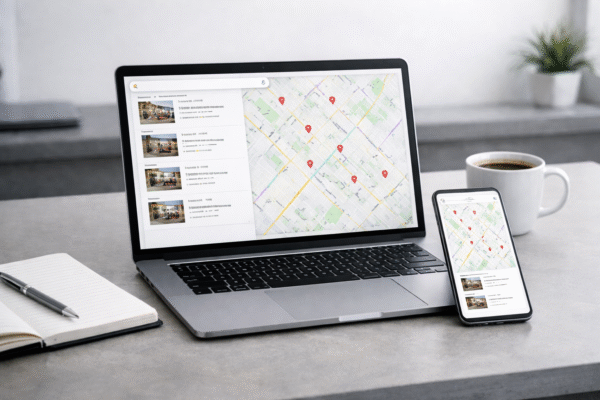
10. Google Maps Keywords (Local SEO Magic Trick)
Enter Google Maps>Search your service.
Check:
- Competitor business names
- Their categories
- Reviews (words that customers comment about frequently)
Reviews by customers indicate phrases with keywords that Google utilizes in ranking the local businesses.
Example Review Keywords:
- “affordable rehab treatment”
- “caring physiotherapy staff”
- “quick AC repair service”
Use these in:
- Website content
- GBP profile
- Service pages
- Blog topics
- How to organize your keyword list (Free Framework).
How to Organize Your Keyword List (Free Framework)
Create a simple Google Sheet with:
- Keywords of high intent (Primary Keywords)
- Supporting Topics (supporting keywords).
- Long-tails (blogs, FAQs) Keywords.
- Local Keywords (ranking in the Maps)
- Question Keywords (PAA, FAQs)
This design can make your medical or local serving site grow progressively.
How Healthcare & Local Service Providers Can Apply This Today
In the case of Healthcare and Rehab Centers:
- Keywords on target condition-based (back pain, anxiety, detox, physiotherapy).
- Create FAQ-rich articles
- Search with patient language Keywords (insurance, cost, recovery time)
For Local Service Providers:
- Use geo-specific keywords
- Add “near me” FAQ sections
- Apply content-based keywords.
In the case of Corporate Teams Outsourcing Marketing:
- Briefing agencies through these methods.
- Validate keyword strategy
- Less reliance on paid tools.

Start Growing Your Business With Smart Keyword Research
Keyword research is powerful only when it is applied with the right strategy. The methods you learned here can help you discover valuable search opportunities, but consistent growth requires a structured SEO approach. At Allgood Marketing, we focus on building practical keyword strategies that support long-term search visibility and sustainable growth.
A well-planned keyword strategy can improve your rankings, increase targeted traffic, and bring more qualified customers to your website. Businesses that invest in smart SEO decisions build long-term visibility and stronger online authority.
Take the next step toward better search performance and stronger results by implementing a keyword strategy designed to support your business goals.